
Beyond the Bundle: How to Choose Fabric Colours with Confidence (Part 1)
The "Fabric Bundle" Safety Net (And How to Step Off It)
Is there anything more personal in the world than our sense of colour? We all have our favourites. Favourites for clothing, home decor—even the colour of our car can be character-defining. Colour is so subjective that we even see it differently; lest I remind you of that gold/blue dress meme from a few years back!
But when it comes to our sewing rooms, that confidence can sometimes wobble.
When I first started sewing, I was a total sucker for a pre-cut fabric bundle. You know the ones—beautifully curated by designers, tied up with a neat little ribbon, where every single print and shade is guaranteed to "match." It was my safety net. It meant I didn't have to worry about making a colour "mistake."
But eventually, the safety net had to go. My stash started filling up with off-cuts, random fat quarters I’d picked up because I loved the print, and "orphaned" fabrics that didn't belong to a set. To make something beautiful from what I actually had, I had to start being more inventive. I had to reach back into my pockets and find the crumbs of colour theory left over from my A-Level Art days.
Whether you’re making a quilt, a dress, or a set of cushions, choosing your own palette is where the real magic happens. It’s how you move from "following a pattern" to "creating a piece of you."
If you’ve ever stared at your stash and thought, "I love these both, but do they actually work together?"—this series is for you. We’re going to build your confidence from the ground up, starting with a tool that has been my north star since those college days.
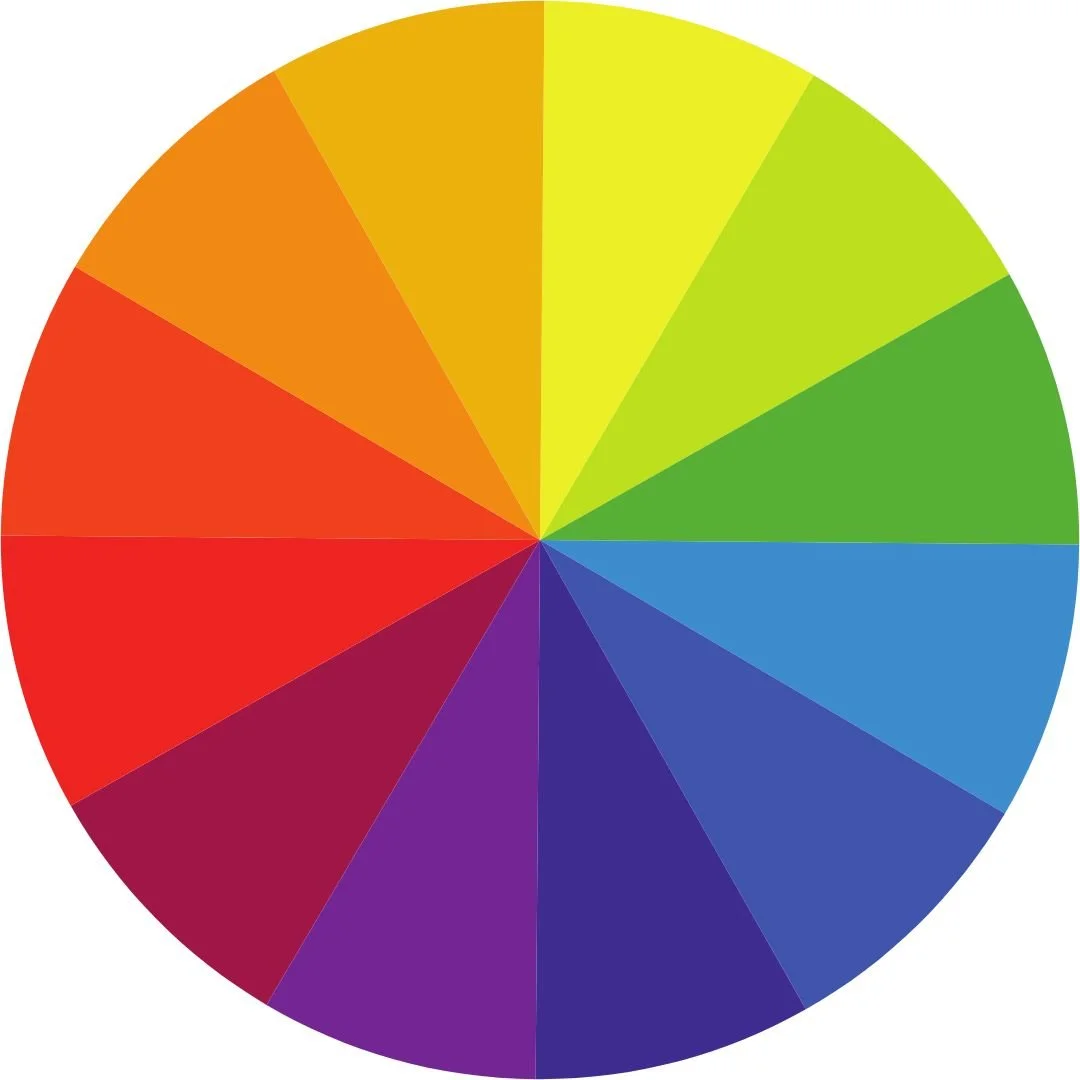
Meet your new best friend: The Colour Wheel
Now, you might not have seen one of these since primary school, but trust me, it’s a maker’s secret weapon. It isn't just about "maths for your eyes"; it’s a map that shows you how colours talk to each other.
Here are 3 simple ways the wheel can help you pick a winning fabric combo today:
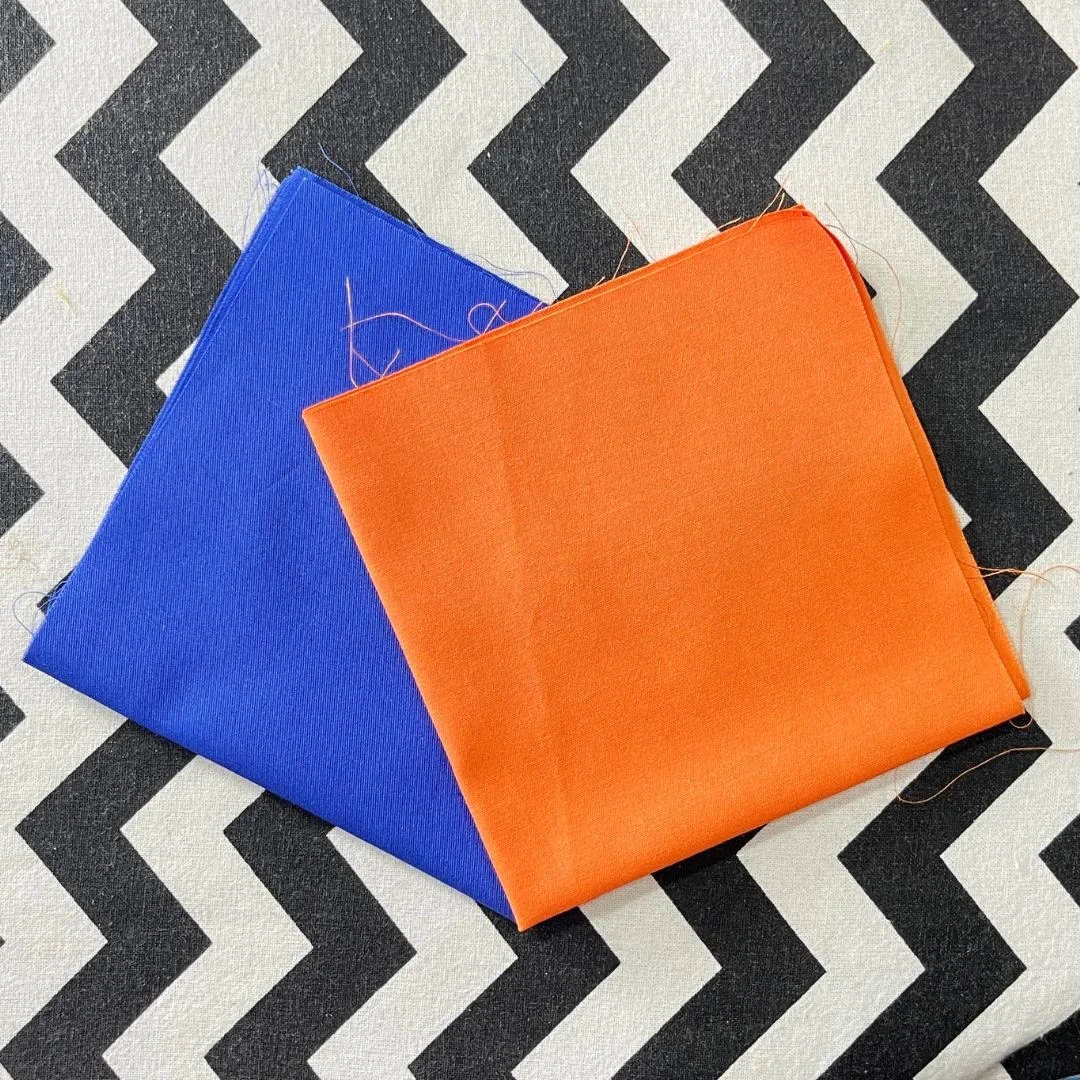
1. The "Opposites Attract" Vibe (Complementary Colours)
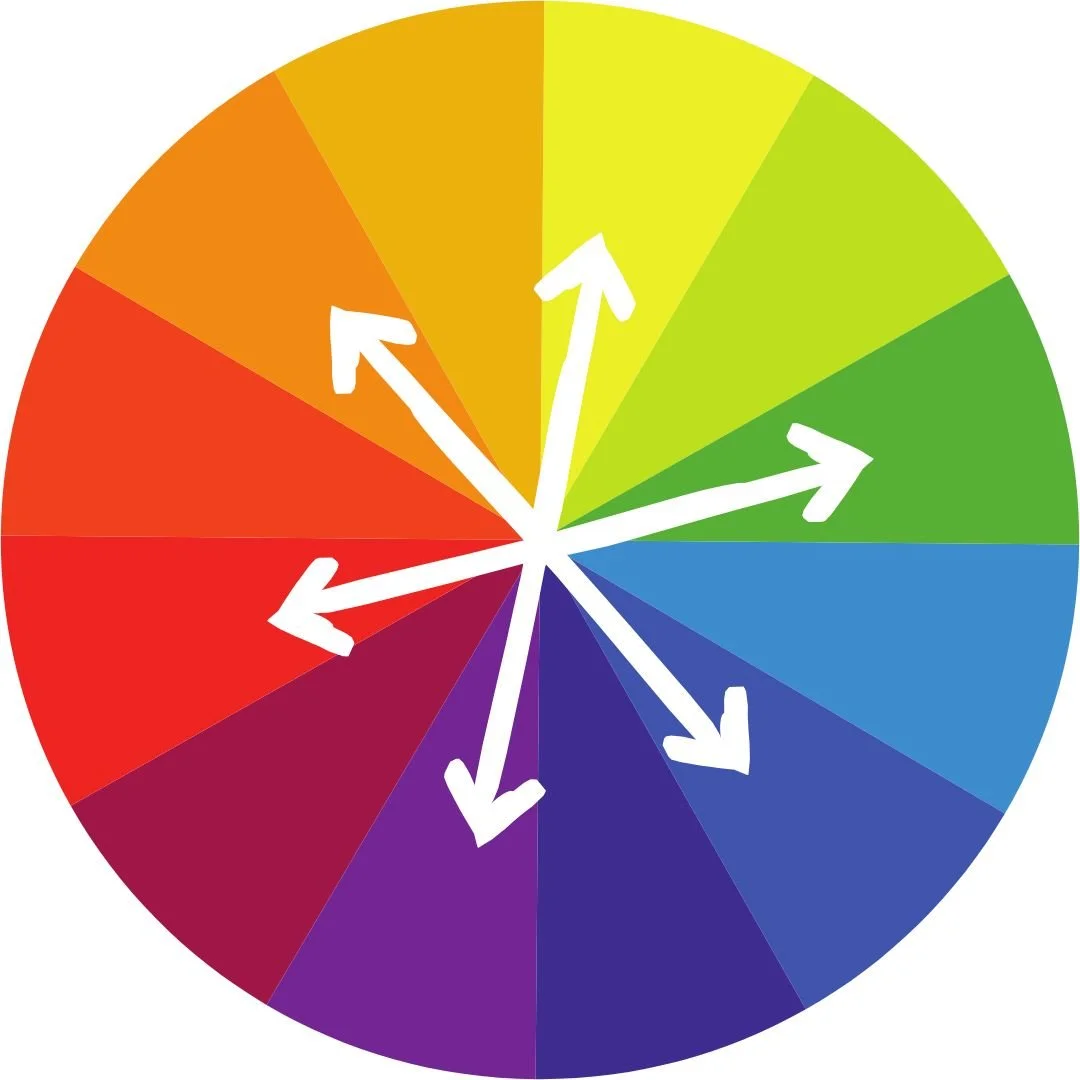
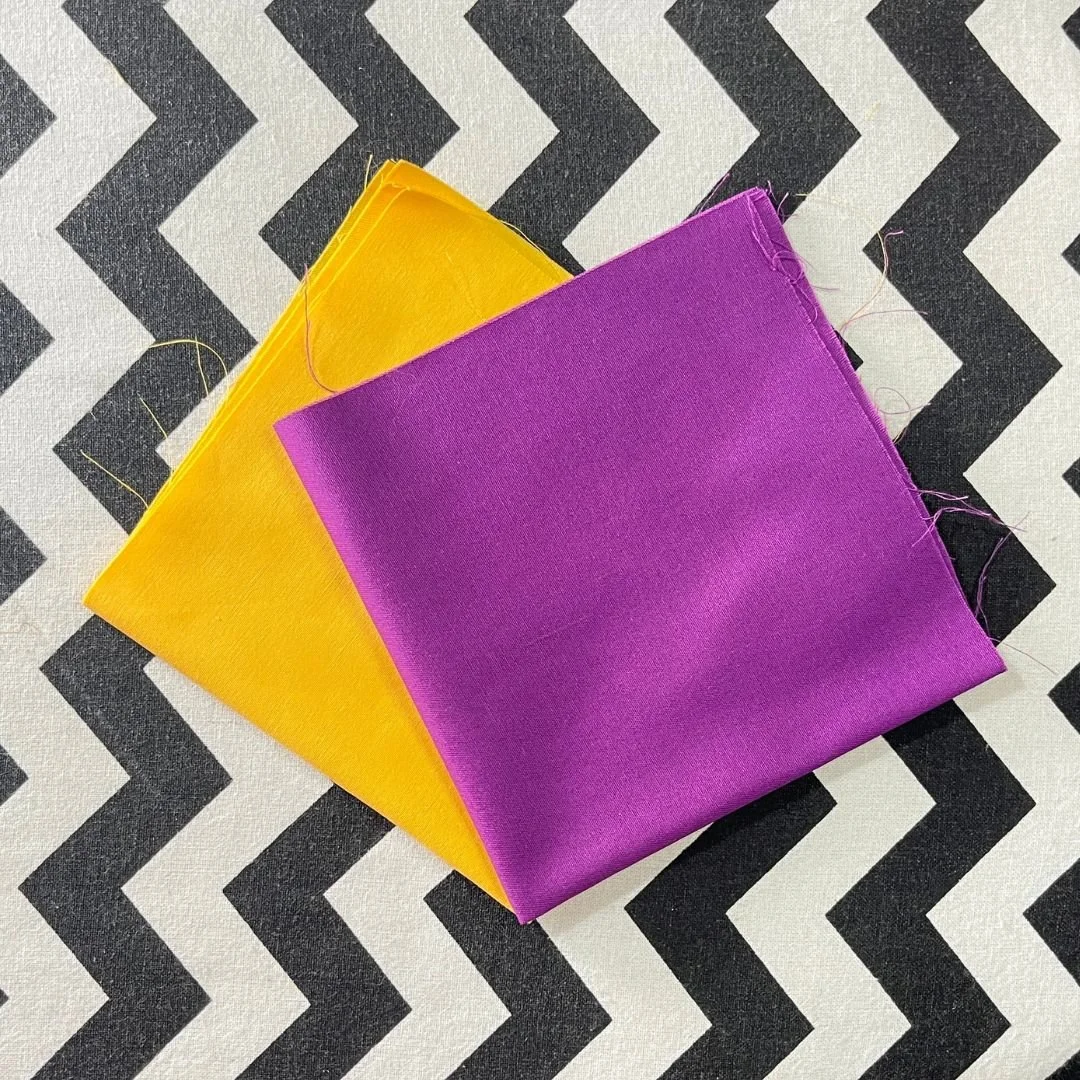
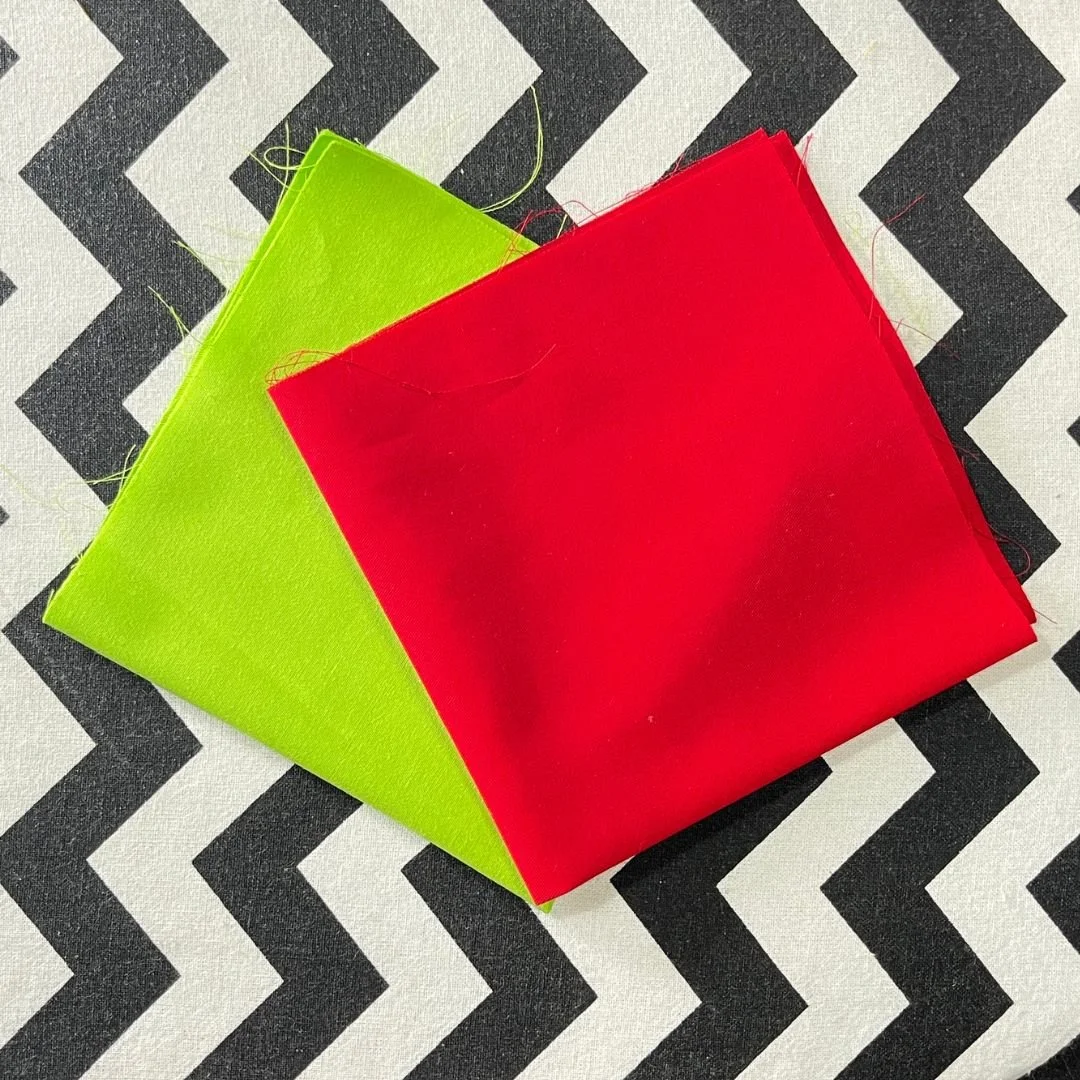
These little babies sit directly opposite each other on the colour wheel. Complimentary colours are blue and orange, yellow and purple and red and green ( I bet it’s all coming back to you now!)
The Story: Think of a deep navy linen dress with a sudden, sharp splash of burnt orange topstitching or a bright zip.
Why it works: It’s high drama and feels incredibly intentional.
2. The "Next Door Neighbours" (Analogous Colours)
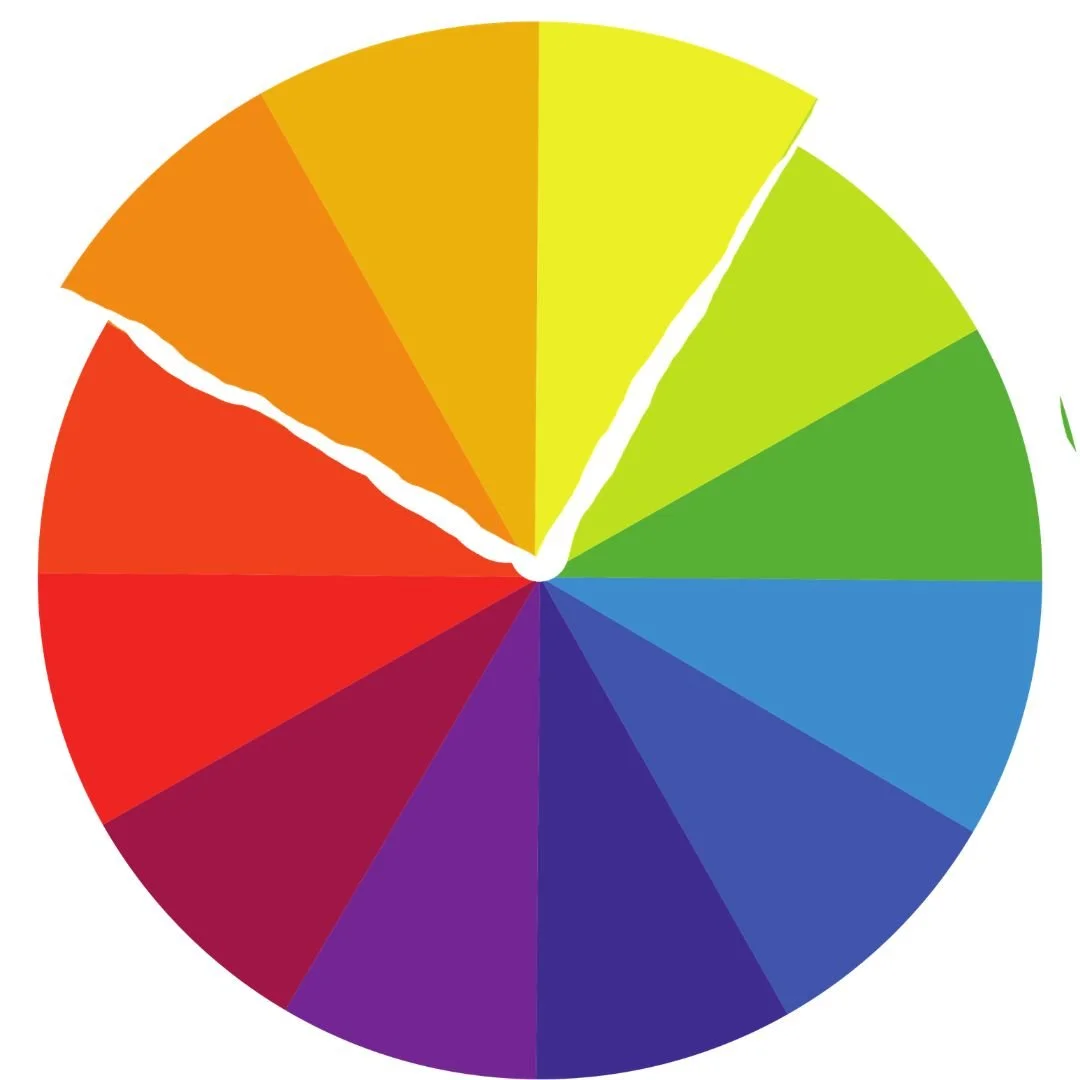
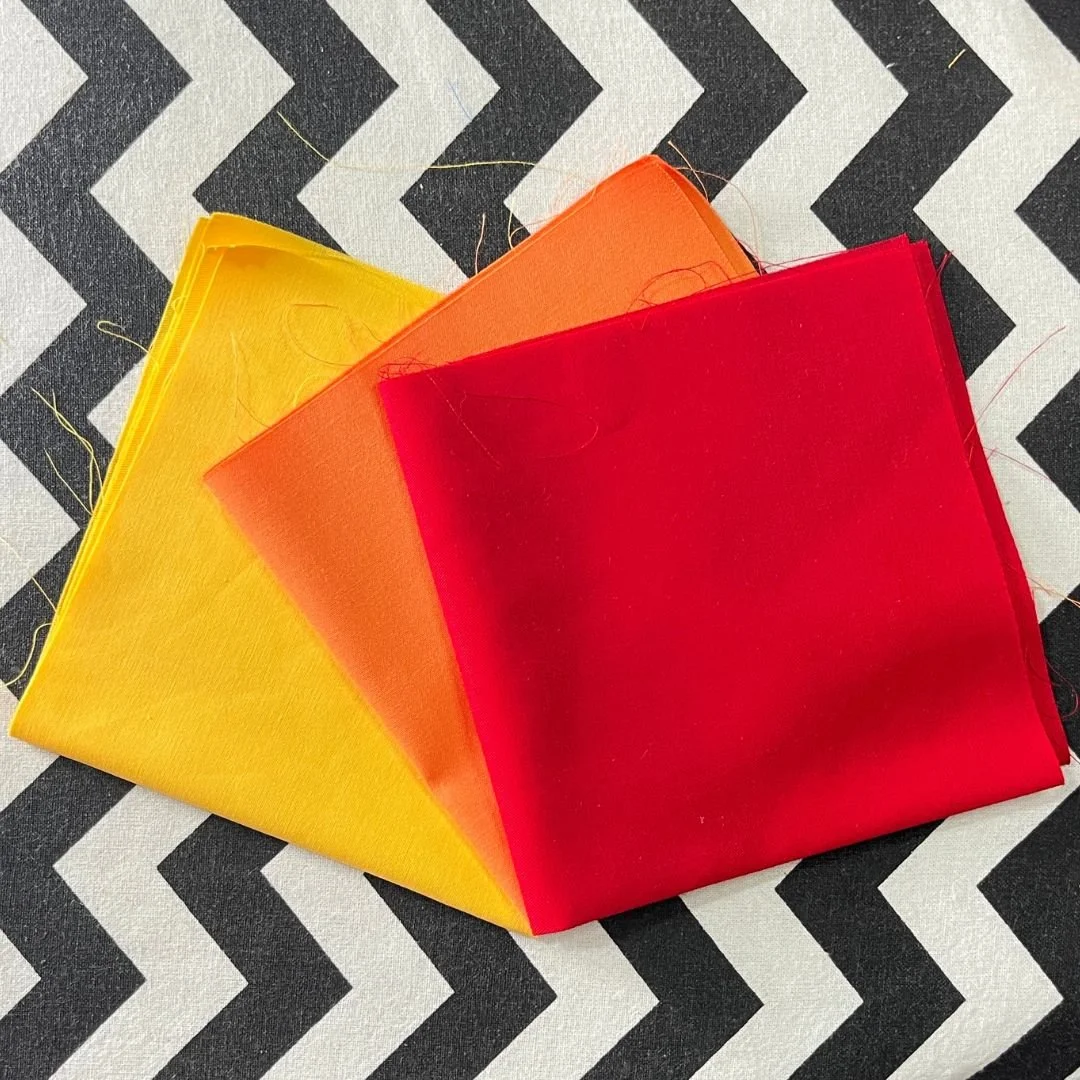
I’m pretty sure I’m completely unable to pronounce this word! But all it refers to are any three colours that sit side-by-side on the wheel. Usually, two colours form a base while the third acts as a "push" for the main shade.
The Story: Imagine a gradient of yellows, yellow-oranges, and deep oranges.
Why it works: This creates a beautiful, harmonious feel that is very easy on the eye. It’s perfect for when you want a project to feel calm, cohesive, and "together."
3. The "Full Choir" (Triadic Colours)
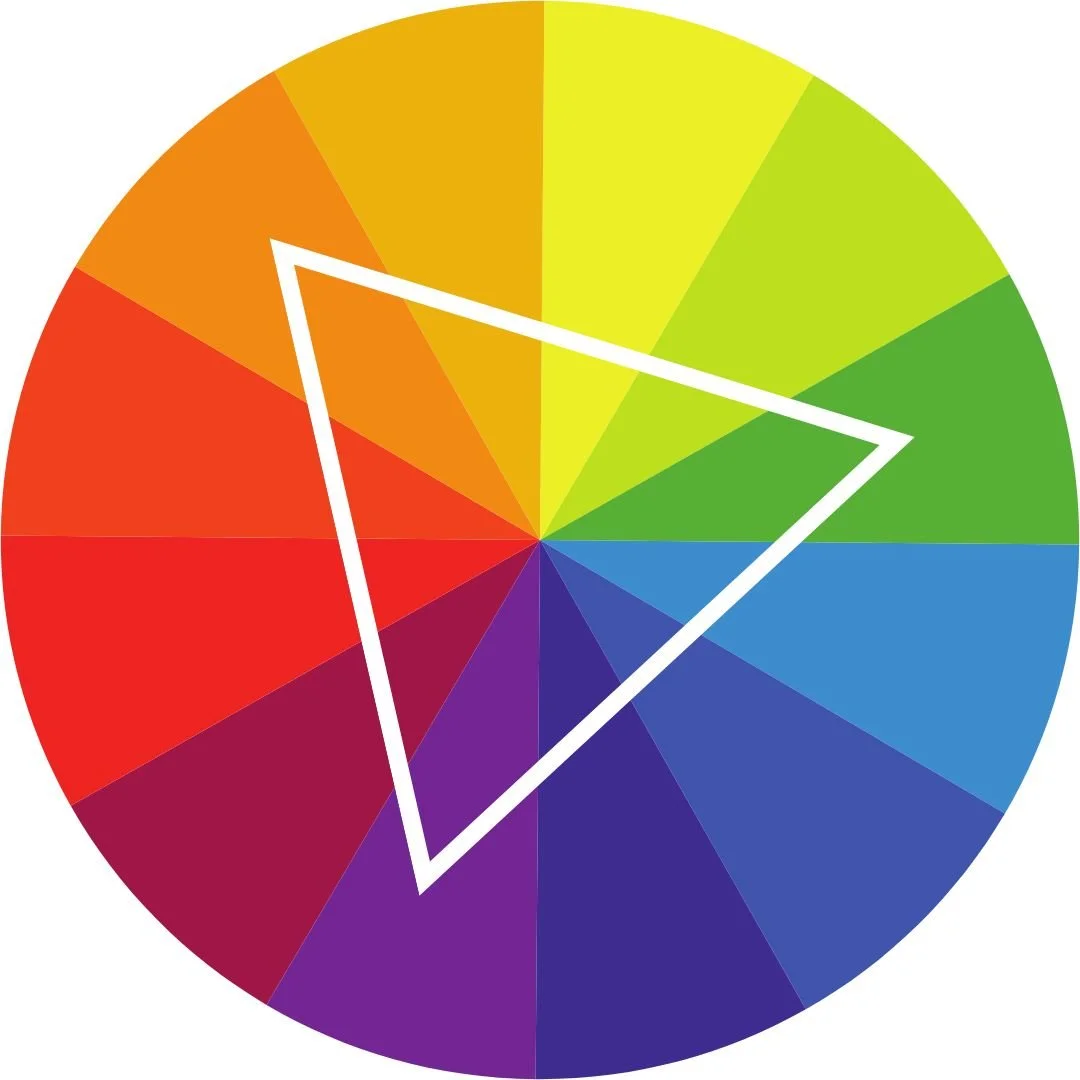
This combination uses three colours that are evenly spaced around the wheel (forming a triangle). This provides a bold, vibrant colour scheme. It’s still high-contrast, but feels a bit more harmonious and balanced than a simple complementary duo.
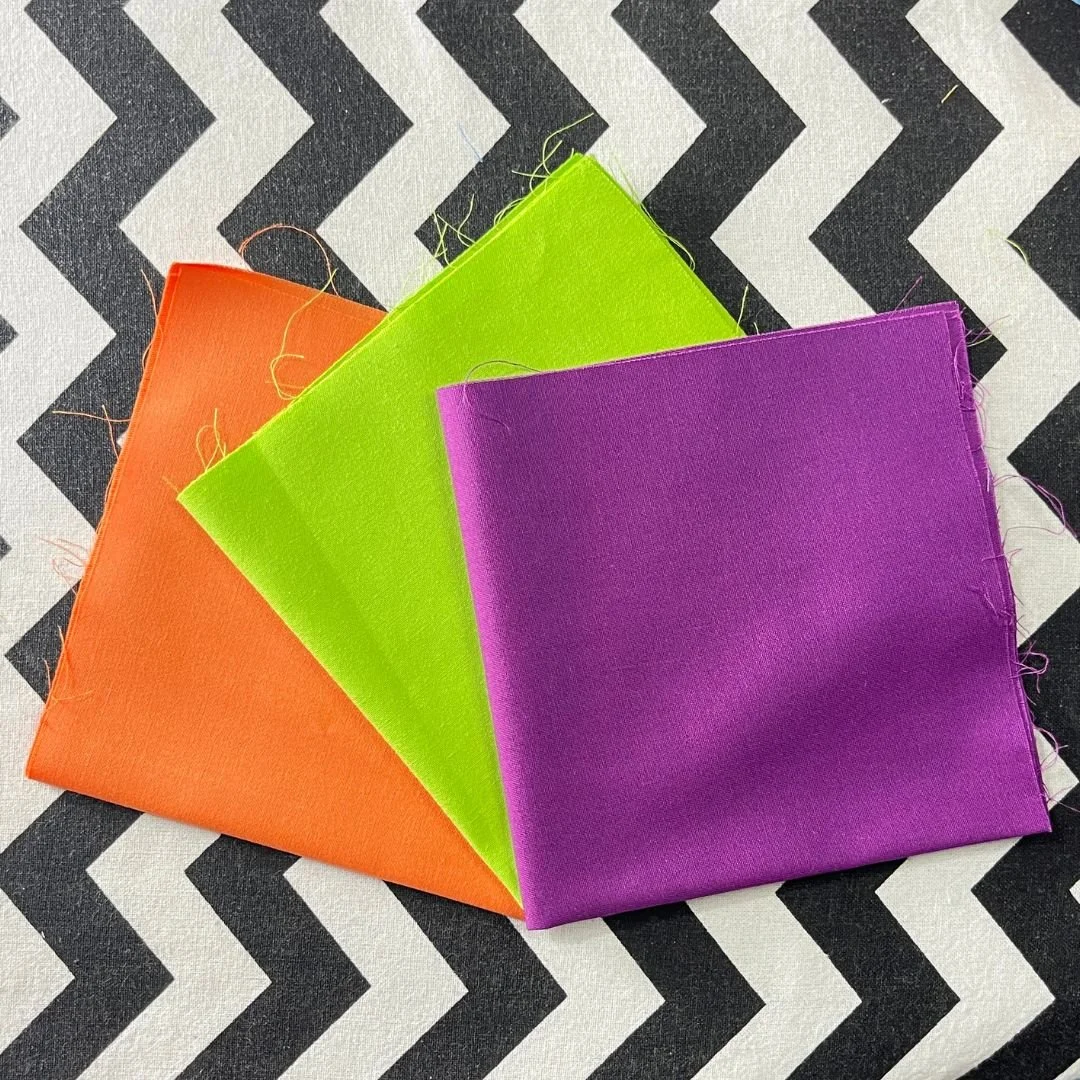
The Story: A combination of Purple, Green, and Orange.
Why it works: It’s high-energy and balanced. It’s the perfect way to use up those three random, bright fabrics in your stash that you weren't sure how to pair.
Trusting Your Gut
The wheel is there to give you a starting point, but the goal of this series is to help you eventually look at a pile of scraps and know they’ll look great together.
Next time, we’ll be looking at the power of Monochrome—and I’ll show you why playing with just one colour is actually one of the most daring (and satisfying) things you can do.
One Final Thought:
"I’ll be diving much deeper into these 'colour stories' during my talk at the Festival of Quilts this year—I’d love to see you there to discuss your favourite palettes in person!"